
10 June 2026
Keep swimming. Keep safe. Why winter lessons make the difference.
Winter is a common time for families to press pause on swimming lessons. But when children step away from the water, even for one season, the skills they’ve worked hard to build can fade faster than most parents expect. At YMCA South Australia, we’re encouraging families to think twice before stepping away from their child’s swimming journey this winter.
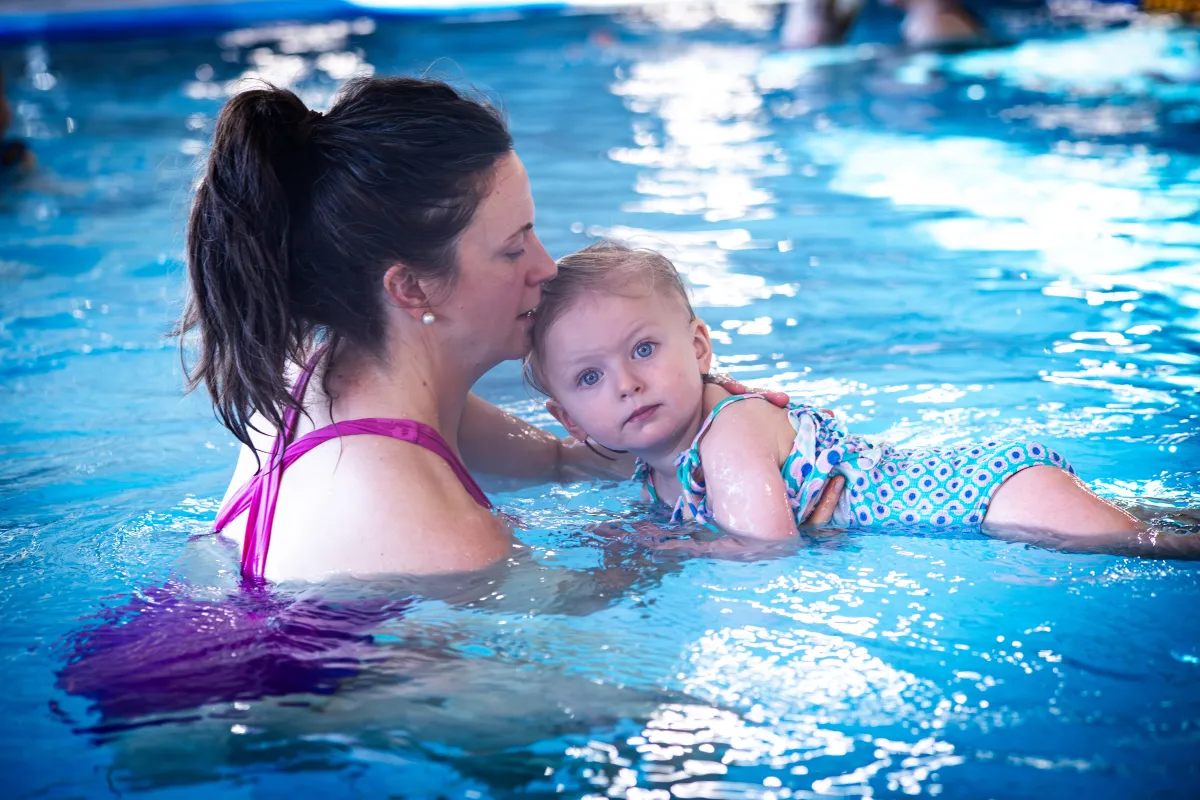
The latest national data makes the case clearly. Australia recorded 357 drowning deaths in 2024–25, 27% above the ten-year average. In January 2026, the Australian Water Safety Council identified declining swimming and water safety skills as a key driver of that rising toll. And a Royal Life Saving Australia study found 48% of children are still leaving primary school without meeting national swimming and water safety benchmarks.
Each year, YMCA South Australia swimming lessons include dedicated safety weeks where children practise real world scenarios: beach and river survival, how to stay afloat in clothing, and what to do when things go wrong. These sessions reinforce that water safety isn’t theoretical. It requires regular, hands on practice to stick.
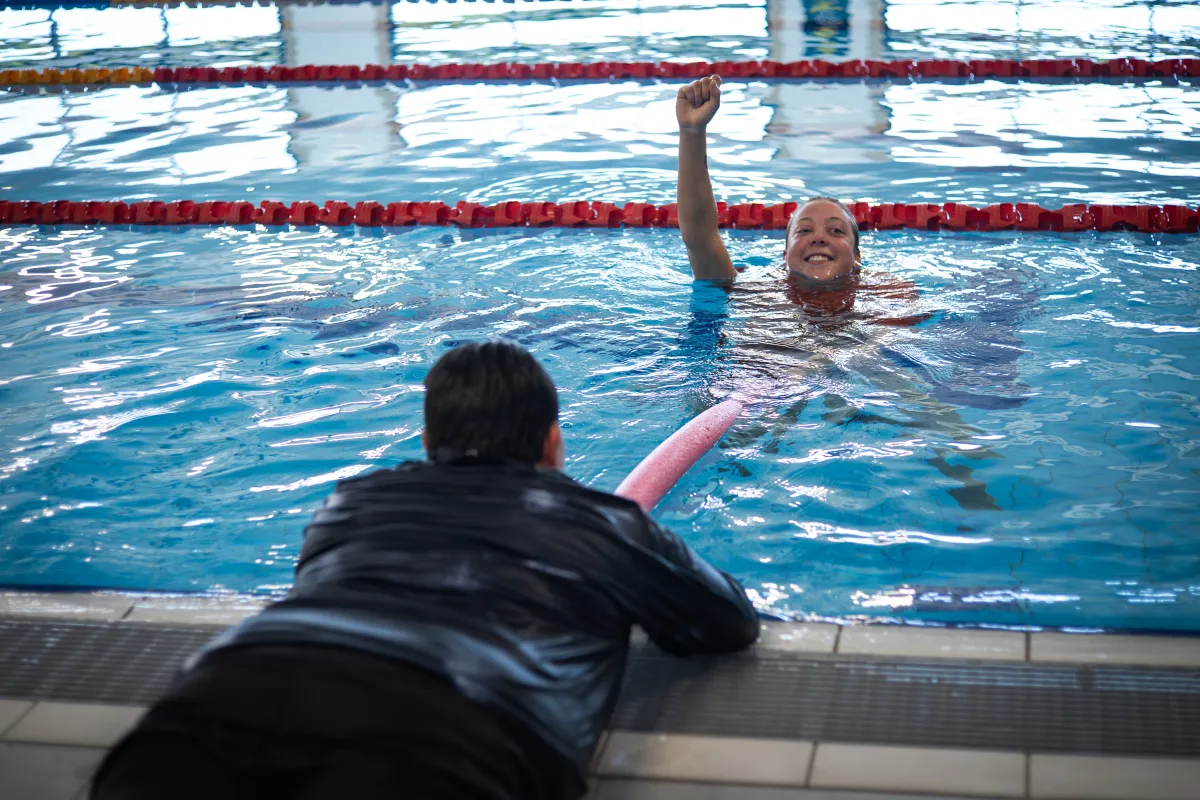
Water safety is not a warm weather concern. The skills that keep children safe need consistent practice to stay sharp, all year round.
Why children should keep swimming over winter
Children who take a season off don’t simply pause their progress. Without regular practice, technique fades, and so does the confidence that comes from knowing what to do in the water.
A few missed months may not seem like much, but for young swimmers, it can mean:
Forgetting water safety and survival skills
Losing confidence in deeper or unfamiliar water
Having to rebuild from scratch when lessons resume
Falling behind peers who continue regular lessons
And when summer returns, so does the risk. Beaches, pools, and rivers can become hazardous quickly, and a child who has been away from the water for months may not be ready to handle them safely.
What consistent lessons build
YMCA South Australia swimming lessons are built around safety and survival, not just stroke development. Children begin by learning to stay calm, float and tread water. Over time, the program introduces more advanced skills, including how to assist someone else in difficulty.
“We notice much quicker skill progression in students who attend lessons consistently throughout the year, compared to those who take a break and have to rebuild from where they left off.”
— Sam Wise, Swimming Lessons Specialist, YMCA South Australia
Tips for swimming lessons over winter
A few simple habits make winter lessons work for the whole family:
Dress your child in their swimwear before leaving home
Pack a hooded towel or dressing gown for after the lesson
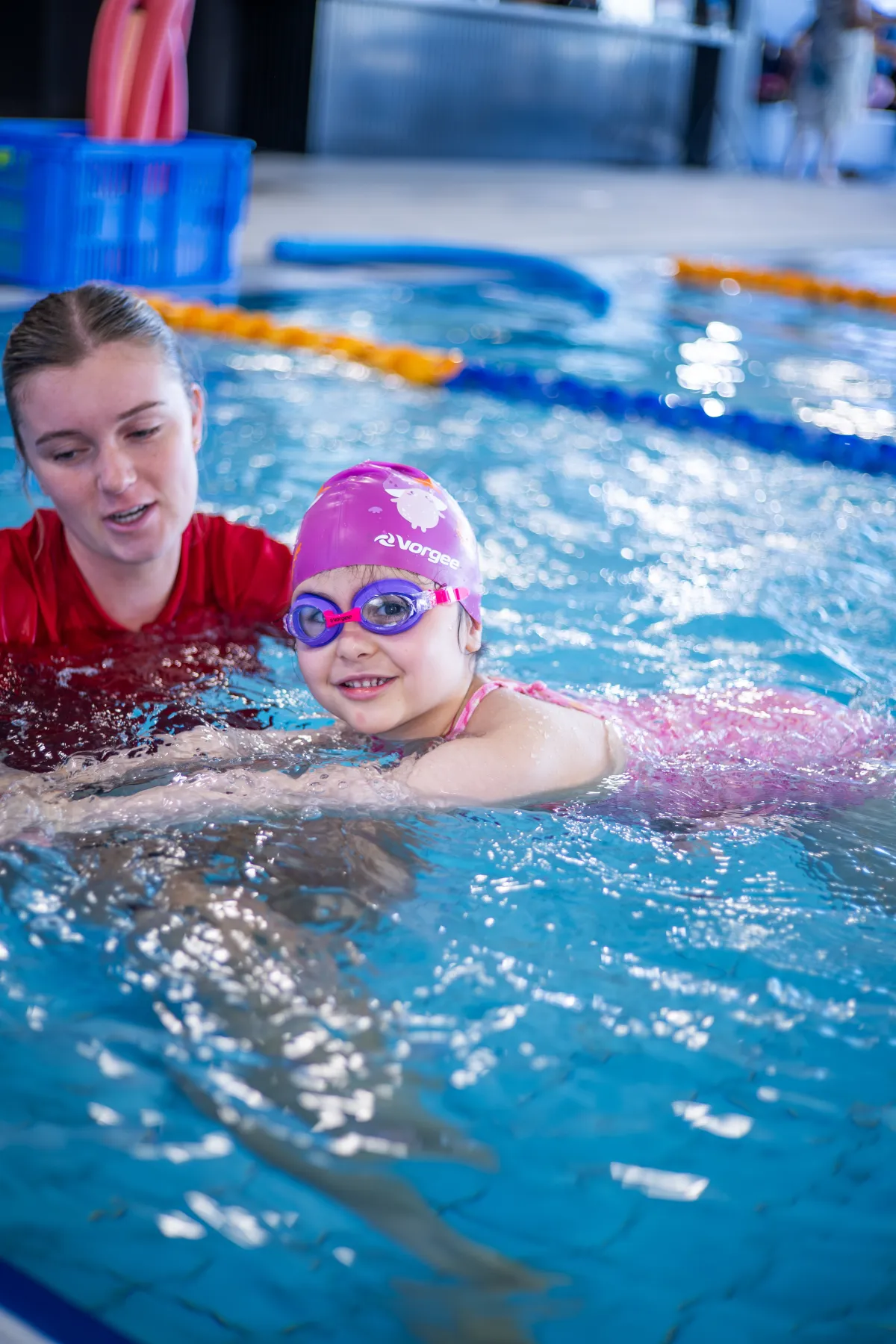
Use a swim cap to keep hair dry
Take a warm shower straight after the lesson
Bring two towels (one for the pool, one for getting changed)
A hot chocolate or warm snack makes it something to look forward to
Our pools are heated year-round, and our qualified teachers are here every week. The children who stay in the water over winter are the ones who arrive at summer ready.
Swimming lessons run year-round at YMCA South Australia aquatic centres across the state. Find your nearest centre and enrol online today.
References
1. Royal Life Saving Australia and Surf Life Saving Australia (August 2025). National Drowning Report 2025. https://www.royallifesaving.com.au/research-and-policy/drowning-research/national-drowning-reports
2. Australian Water Safety Council (January 2026). Australian Water Safety Strategy 2030 (refreshed). https://www.royallifesaving.com.au/about/news-and-updates/news/2026/jan/new-australian-water-safety-strategy-2030-released-to-drive-down-drowning
3. Royal Life Saving Australia (April 2025). Children’s Swimming and Water Safety Skills: Teacher and Parent Perceptions. https://www.royallifesaving.com.au/library/research-report/risk-factors/childrens-swimming-and-water-safety-skills-teacher-and-parent-perceptions